Home Emergency Kit Checklist (72-Hour Kit)
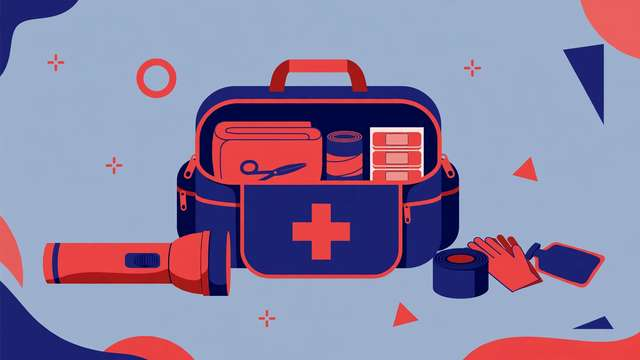
Most emergencies don’t come with a warning siren — they arrive as a flooded street, a blackout that stretches into day three, or a storm that empties the store shelves in hours. In those moments, the families who cope well aren’t the lucky ones; they’re the prepared ones. A 72-hour emergency kit is the simplest form of preparedness there is: enough water, food, warmth, first aid, and tools to keep your household safe and comfortable for three days without outside help. This checklist walks you through building one room by room, item by item, so nothing important gets missed.
You don’t need to buy everything this weekend or spend a fortune. The smartest way to build a kit is gradually: add a few items each grocery trip, starting with water and food — the two things that matter most. Much of it you already own: blankets, a flashlight, basic tools, copies of documents. The checklist below is organized into five groups — water and food, shelter and warmth, first aid, tools and documents, and add-ons for pets and babies — so you can work through it one section at a time and check items off as you go.
What’s inside this checklist
The 27 items cover everything a household needs for 72 hours of self-sufficiency. Water and food (6 items) sets the foundation: one gallon per person per day, a three-day supply of ready-to-eat food, and the often-forgotten can opener. Shelter and warmth (5 items) keeps everyone safe through power outages and cold nights. First aid (6 items) goes beyond bandages to medications, which expire and must be rotated. Tools and documents (6 items) covers light, information, and proof of identity when systems are down. Pet and baby add-ons (4 items) make sure the smallest and furriest family members are covered too. Every item includes the detail that makes it actually work — quantities, rotation schedules, and storage tips.
Water & food
- Store one gallon of water per person per day — 3 gallons per person for the full 72 hours
- Keep a 3-day supply of ready-to-eat food per person: canned goods, energy bars, dried fruit, and nuts
- Add a manual can opener — electric openers are useless in a power outage
- Rotate stored water every 6 months and check food expiry dates twice a year
- Include paper plates, cups, and disposable utensils to save your water supply
- Pack infant formula and baby food in 72-hour quantities if you have a baby
Shelter & warmth
- Pack one emergency foil blanket per person — they are cheap, tiny, and genuinely warm
- Keep warm clothing layers and sturdy closed shoes in a grab bag by the exit
- Add a sleeping bag or warm blanket for each family member
- Include a tarp or plastic sheeting plus rope for emergency shelter or leak cover
- Store waterproof matches and a lighter in a sealed bag
First aid
- Stock a first aid kit: adhesive bandages, gauze pads, antiseptic wipes, and medical tape
- Keep at least a 7-day supply of prescription medications, rotated before expiry
- Add pain relievers, antihistamines, and personal medical items like an inhaler or EpiPen
- Include a thermometer and a basic first-aid reference card
- Pack hand sanitizer, disposable gloves, and face masks
- Add sunscreen and insect repellent — disasters don't pause the sun or the bugs
Tools & documents
- Pack a flashlight with extra batteries, or a hand-crank flashlight that never dies
- Include a battery-powered or hand-crank radio for emergency broadcasts when the internet is down
- Add a multi-tool, duct tape, and a whistle for signaling
- Keep copies of IDs, insurance policies, and bank details in a waterproof pouch
- Store cash in small bills — ATMs and card readers fail in outages
- Keep a portable phone charger fully charged and check it twice a year
Pet & baby add-ons
- Pack a pet carrier, leash, and vaccination records for each pet
- Store three days of pet food and water plus a collapsible bowl
- Keep a 72-hour supply of diapers, wipes, and spare clothes for babies and toddlers
- Add a familiar comfort item for kids — a blanket or toy that reduces stress in strange situations
How to use this checklist
- Start with water and food this week — they are the foundation everything else rests on.
- Add 3–5 items per grocery trip; a kit built over a month is a kit that actually gets built.
- Gather the documents and cash into the waterproof pouch in one 20-minute session.
- Store the main kit near an exit and pack a small grab bag with the absolute essentials.
- Set a twice-yearly reminder to rotate food, water, medications, and batteries.
Preparedness is a gift to your future self — the version of you who will be very glad this box exists.
Frequently asked questions
Do I really need a full kit if I live in a city? Yes — cities are where supply chains break fastest. Store shelves empty within hours of a major storm or outage warning, and high-rise blackouts make stairs, elevators, and water pressure real problems. Urban households benefit the most from being self-sufficient.
What is the single most overlooked emergency item? Cash in small bills. Almost everyone remembers the flashlight and forgets that card readers and ATMs need power and networks. A modest stash of small bills covers fuel, supplies, and help when digital money stops working.
Download the Home Emergency Kit Checklist (72-Hour Kit)
Keep reading

Livestream Equipment Checklist for Beginners
A free livestream equipment checklist for beginners: 30 steps covering software, connection, camera, lighting, audio, and going live with confidence.
Read more →
PDF Merge Order Checklist
A free PDF merge order checklist: 28 steps to combine PDFs in the right order, catch missing pages, and send a clean final file.
Read more →
100-Point Technical SEO Audit Checklist
Free 100-point technical SEO audit checklist: crawlability, indexing, Core Web Vitals, structured data, internal linking, images, and security checks.
Read more →